If an overhead crane comes out on Sunday, what does the bay need to be ready for on Monday? Production may need the aisle reopened for forklifts. An installation team may be due to arrive. Or a landlord may expect the bay cleared, including the gantry columns and fixings.
Before decommissioning an overhead crane, agree what comes out, what stays and who will confirm the bay is ready for its next use. Those decisions shape the removal scope and help you work out how much time the site needs to set aside.
Decide what the bay will be used for next
If the bay is getting a replacement crane, you may want to retain the runway beams, rails or columns. Identify which parts you want to keep and arrange an assessment of their condition and suitability for the proposed system. If another crane shares the runway or supports, flag this early so its operation can be considered when agreeing the scope.
If you’re clearing the bay for a different use or returning it to a landlord, check whether the scope includes column bases, fixings and redundant electrical equipment. Agree who will make good the floor or building fabric where needed. If the lease sets out reinstatement requirements, use those to define the expected finish before requesting a quote.
If you plan to keep the crane for another part of the factory or another site, tell the removal team upfront so they can plan for reuse.
Follow the crane’s route out of the building
Start in the bay and walk the route to the point where the components will be loaded for collection. Agree where the removal team can lower and temporarily stage components, what needs clearing below the crane and which door or loading bay they can use.
Check the route against what happens on a normal shift. An aisle that’s clear during a site visit might be the main forklift route on a Friday afternoon. A door with enough clearance might open onto a yard already booked for deliveries. If the removal team needs that space, agree when it will be clear, how long they can use it and who will arrange it.
Work backwards from the production restart
Give the removal team two times to work with. When is the crane’s last planned lift, and when does the site need the bay back? Between those points, allow time to take the crane out of service, complete the agreed removal, collect the components and hand the area back.
Check what production will need as soon as the bay reopens. If the outgoing crane would normally handle a Monday lift, decide how that job will be covered. If removal will affect a neighbouring crane, shared aisle or goods-in door, include those activities in the discussion with the production team.
Weekend working can give the removal team more room to work, provided the people and services they need are available. Confirm who can arrange isolation, issue site permits, open access gates and accept the bay back. Check that transport and any follow-on contractors can work within the same window.
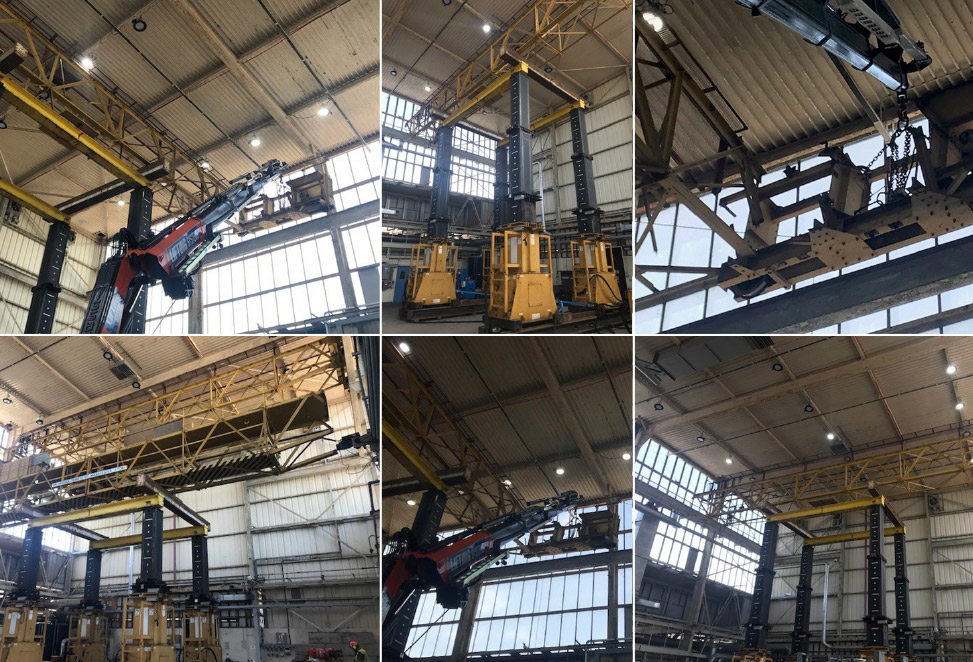
Agree what needs to happen before handback
Share information about any known or suspected hazardous materials before the removal scope is agreed. If the work could disturb materials in the building fabric, share the relevant asbestos register and survey information so the team can establish whether further assessment or specialist work is needed. HSE guidance on providing asbestos information before work starts.
Agree what will count as completion. For one site, that might mean the crane has been collected, the runway is retained and the aisle is open. For another, it might mean the columns and fixings are out, the floor has been made good and the landlord has accepted the bay. Name the person who will check the area and agree when they’ll do it.
What to share when requesting a crane removal quote
Send the removal team photos of the crane, its supports and the proposed exit route, along with a short brief covering:
- What the bay needs to be ready for after removal.
- Which parts of the crane, runway and gantry should come out or stay.
- What access the site can provide, including space to lower, stage and collect components.
- When the crane can come out of service and when the bay needs to reopen,
- Who will arrange any making-good work and accept the area back.
Frequently Asked Questions About Overhead Crane Decommissioning
Does the gantry have to be removed when an overhead crane is decommissioned?
The runway beams, rails and columns can sometimes stay in place. If you plan to reuse them for a replacement crane, arrange an assessment to confirm their condition and suitability. If you’re clearing the bay or handing it back to a landlord, agree which steelwork, fixings and redundant services need to come out.
Can an overhead crane be removed while production continues?
It may be possible to keep other areas running if the removal team can separate the work area and exit route from production. Shared runways, electrical supplies, forklift aisles and loading doors can affect which operations need to pause.
Can an overhead crane be removed over a weekend?
A weekend removal may be feasible, depending on the amount of steelwork coming out, the access available and when the site needs the bay back. Confirm that site staff, the removal team and transport are available for the same window, and agree who will accept the area back before production resumes.
What should be agreed before the crane bay is handed back?
Agree what will remain in the bay, what making-good work is included and who will confirm the area is ready for its next use. That could mean reopening an aisle for production, preparing the bay for a replacement crane or meeting a landlord’s reinstatement requirements.
Lifting Systems can help you define the scope and plan the removal around your operations. Find out what’s included in our overhead crane removal service or speak to our installations and removals team about your site.