Can You Relocate an Existing Overhead Crane and Gantry?
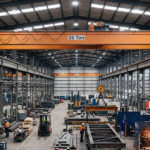
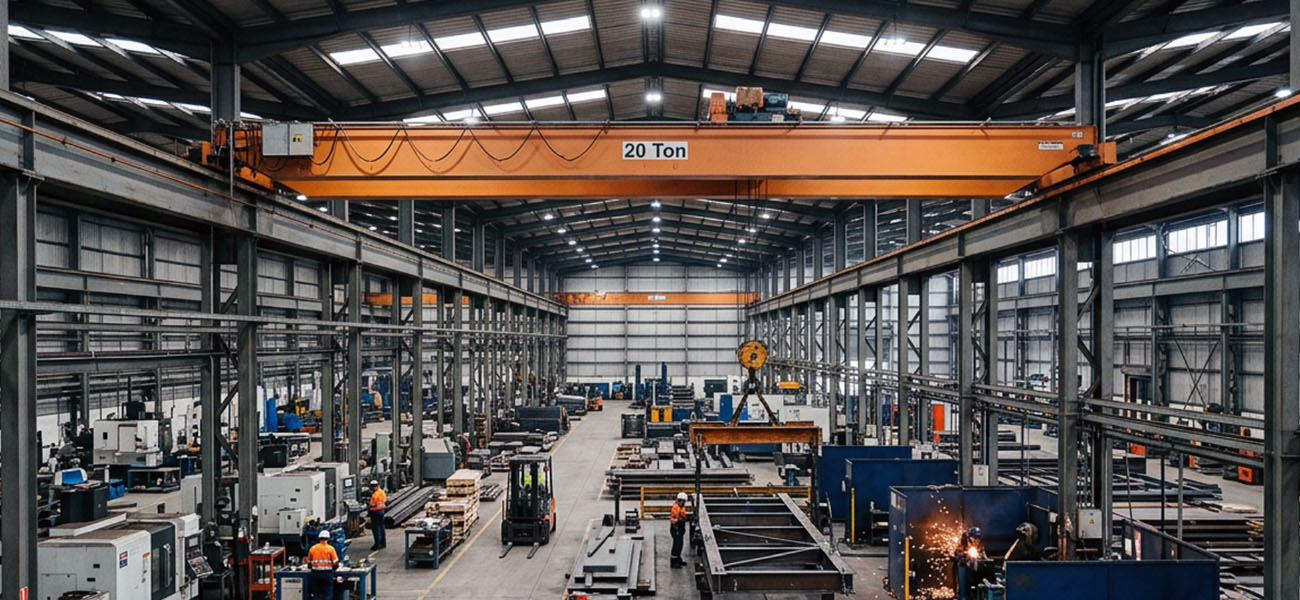
Yes, an existing overhead crane and gantry can often be relocated to another bay within your current facility or to a different site. The decision depends on the condition of the equipment, whether it suits the lifting work at the new location and whether the building, floor or supporting structure can accommodate it.
In some cases, you can reuse the crane and gantry together. In others, it makes sense to keep the crane and modify or replace the supporting steelwork. Assessing both locations before dismantling starts gives you time to compare those options and plan for any interruption to production.
Moving within your facility or relocating to a new site
| Type of move | What to check early |
|---|---|
| Moving to another bay in the same facility | Check the new bay’s dimensions, structural support and lifting coverage. Plan how to move equipment between bays, what production can continue nearby and how you’ll handle lifts while the crane is unavailable. |
| Moving to a different facility | Survey the destination and confirm access for delivery and installation. Compare the existing crane and gantry with the new building’s layout, structural capacity, power supply and lifting requirements. Allow for transport and storage if the two sites will be ready at different times. |
An internal move can be just as dependent on the destination as a move between sites. Two bays in the same building can have different column spacing, headroom or floor construction. The new position also needs to give operators enough lifting coverage to pick up and set down loads where the work actually happens.
What should you check before relocating an overhead crane?
Will it suit the work at the new location? Start with the heaviest load, how often it will be lifted and where it needs to travel. If the move supports a new production line, check whether the existing crane’s rated capacity, duty and hook coverage still suit the job.
Will the crane and gantry fit? Compare the crane span, runway length and available headroom with the proposed layout. Check for obstructions such as machinery, lighting, ductwork and pipework. A crane can fit within the bay and still fall short of a critical loading or assembly point.
Can the destination support the system? The assessment needs to consider how loads from the crane and gantry will transfer into the supporting structure. For a freestanding gantry, that includes checking the proposed column positions, floor or foundations, and fixings. Where the runway is supported by the building, the receiving structure also needs to be assessed.
Is the existing equipment worth reusing? Gather any available drawings, service records and reports of thorough examination. Use these alongside an assessment of the crane, runway and steelwork to identify what can be retained and where wear, damage or the availability of spare parts could affect the decision.
Can you reuse the crane with a different gantry?
Yes, where the crane is suitable for the intended lifts and the supporting structure can be designed or adapted to suit it. Depending on the site, the options may include retaining the existing gantry, modifying sections of steelwork or installing a new runway or gantry for the existing crane.
Compare the full cost of each option, including removal, transport where applicable, refurbishment, structural work, reinstallation and downtime. A crane in good condition can be worth keeping even when much of the original gantry needs to change. If the crane also needs extensive refurbishment or falls short of the new lifting requirements, compare the cost and programme with a replacement system before committing. Lifting Systems can assess whether existing gantry steelwork can be modified to suit the new location.

What happens after the crane is reinstalled?
Plan commissioning and examination into the programme before agreeing when the crane will return to service. Where the safety of lifting equipment depends on its installation conditions, LOLER requires a competent person to carry out a thorough examination after installation and before the equipment is used at the new location. This also applies when qualifying equipment is reinstalled in a different bay within the same facility. See the HSE guidance on thorough examination of lifting equipment.
Agree the commissioning and testing scope early, particularly if the project involves changes to the crane, controls or supporting steelwork. For more on what happens during reinstallation and commissioning, see our guide to the overhead crane installation process.
Crane relocation in practice at Unipart Power Drive
Unipart Power Drive had two gantry cranes at its Cosham site that were surplus to requirements. Its Coventry facility needed lifting capacity for a new welding cell and loading bay, creating an opportunity to reuse the existing 5-tonne and 10-tonne cranes.
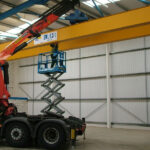
Lifting Systems dismantled the cranes at Cosham and transported them to its Northampton facility for inspection and reconditioning before they were put to work in Coventry. The project shows how equipment from one site can meet a specific production need at another. Read the Unipart Power Drive crane relocation case study.
Frequently asked questions about overhead crane relocation
Can you move an overhead crane without moving the existing gantry?
Yes. A suitable crane may be reusable on another runway or a new gantry. An engineering assessment should confirm compatibility with the proposed support structure, the crane’s operating requirements and the loads it will handle.
How long does it take to relocate an overhead crane?
The programme depends on access at both locations, the extent of dismantling, any refurbishment or fabrication, and when the destination will be ready. Ask for a programme that shows when the crane will be taken out of service, when the new bay must be ready and when lifting can resume.
What information should you provide for a crane relocation assessment?
Start with the crane’s rated capacity and span, any available drawings and examination reports, and a layout of the proposed location. Include the loads you need to lift, any access restrictions and when you need the crane back in service.
Discuss your overhead crane relocation
If you’re moving production to another bay or planning a move to new premises, speak to Lifting Systems before finalising the layout or removal date. Our crane installation and removal team can help you assess what can be reused, what may need modifying and how to plan the move around your operations.