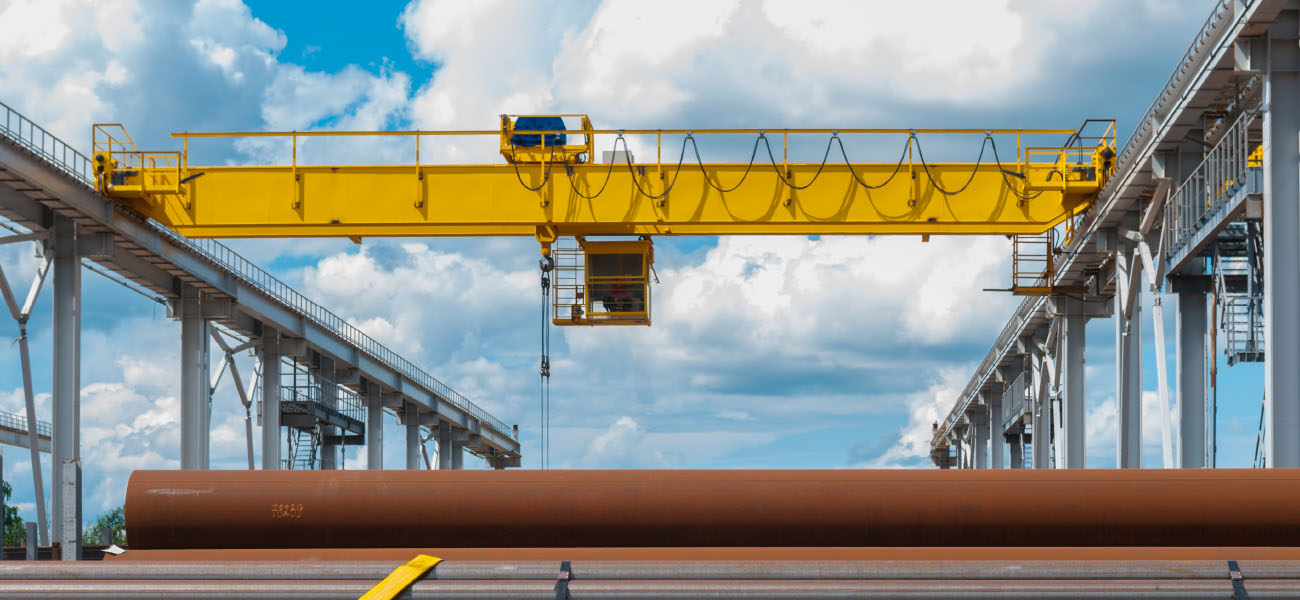
In a busy manufacturing environment, the way materials move through a facility has a direct impact on productivity, safety and day-to-day efficiency. An overhead crane and gantry system is not only used to lift heavy loads. It also plays an important role in how teams work, how production areas are organised and how smoothly materials move from one stage of the process to the next.
For manufacturers reviewing their current setup, the right overhead crane and gantry system can help reduce bottlenecks, improve handling processes and support future growth.
Why workflow matters in manufacturing facilities
Manufacturing facilities often change over time. Production volumes increase, layouts are adapted, new machinery is introduced and teams are expected to work more efficiently within the same available space.
When lifting equipment no longer supports the way the site operates, delays can quickly appear. Materials may take longer to move, teams may rely too heavily on forklifts or manual handling, and certain areas of the facility may become congested.
A well-planned overhead crane and gantry system can help improve the movement of materials across the workspace. By providing lifting coverage where it is needed most, it allows loads to be handled more safely and moved more efficiently between key production areas.
Reducing bottlenecks in production
Bottlenecks often occur when materials cannot move through a facility at the same pace as production. This may happen when lifting equipment is limited, poorly positioned or no longer suitable for the size and weight of the loads being handled.
The right overhead crane and gantry system can help remove these pressure points by improving access, lifting capacity and material flow. Whether a facility needs a single girder overhead crane, double girder crane, jib crane, gantry crane or workstation lifting system, the solution should be designed around the practical needs of the site.
This includes considering load requirements, operating space, production flow, machinery layout and how frequently lifts need to take place.
Supporting safer manual handling practices
Safety is a key consideration in any manufacturing environment. When teams rely on manual handling or unsuitable lifting methods, the risk of injury and operational disruption can increase.
A properly specified overhead crane and gantry system helps reduce the need for unnecessary manual handling by giving teams a safer and more controlled way to lift, move and position materials. This supports safer working practices and helps businesses create a more efficient working environment.
It also allows operators to handle heavier or awkward loads with greater control, helping to reduce strain on workers and improve consistency across lifting operations.
Planning for future manufacturing growth
An overhead crane and gantry system should not only solve today’s lifting challenges. It should also support the future needs of the business.
For growing manufacturing facilities, this means considering future production volumes, possible layout changes, increased load requirements and additional lifting coverage. Planning ahead can help avoid costly changes later and ensure the crane system continues to support the operation as the business develops.
Working with an experienced crane manufacturer that can also support crane installation and removal can help businesses identify the most suitable lifting solution for their current and future requirements.
Overhead crane and gantry systems designed around your facility
Every manufacturing site is different. The most effective overhead crane and gantry system is one that is designed around the facility, workflow, load requirements and long-term operational goals.
Lifting Systems designs, manufactures, installs and supports crane and lifting solutions for a wide range of industrial environments. From workstation lifting to larger overhead crane systems, our team works with clients to deliver practical solutions that support safer and more efficient manufacturing workflows.
As the UK’s largest overhead crane and gantry manufacturer, Lifting Systems continues to grow its capability while supporting businesses with practical, site-specific crane and lifting solutions. This growth allows us to work with clients across a wide range of requirements, from smaller workstation lifting needs to larger overhead crane and gantry systems for demanding industrial environments.
If your current lifting setup is slowing production or limiting how your facility operates, speak to Lifting Systems about a crane system designed around your business.
FAQs
How can overhead crane and gantry systems improve manufacturing workflow?
Overhead crane and gantry systems can improve manufacturing workflow by helping materials move more efficiently through a facility. They can reduce bottlenecks, improve access to key production areas and support safer, more controlled lifting operations.
What should manufacturers consider when choosing a crane system?
Manufacturers should consider load requirements, available space, production flow, lifting frequency, machinery layout and future growth plans. The right crane system should be designed around how the facility operates now and how it may need to operate in the future.
Can a crane system help reduce manual handling?
Yes. A properly specified crane system can reduce the need for unnecessary manual handling by giving teams a safer way to lift, move and position materials. This can help reduce strain on workers and support safer working practices.
Why is it important to plan crane systems around future growth?
Manufacturing facilities often change as production demands increase. Planning crane systems around future growth can help businesses avoid costly changes later and ensure their lifting equipment continues to support the operation as requirements develop.
Does Lifting Systems manufacture and install overhead crane and gantry systems?
Yes. Lifting Systems designs, manufactures, installs and supports overhead crane and gantry systems for a wide range of industrial environments. The team works with clients to provide practical lifting solutions designed around their facility, workflow and operational needs.