
Choosing the right industrial crane system is an important decision for any manufacturing facility, workshop, warehouse or production environment. The right solution can improve material handling, support safer lifting, reduce manual handling risks and help teams move loads more efficiently through the working area.
However, not every crane system is suited to every site. The best option depends on what needs to be lifted, how often it needs to be moved, where it needs to travel and how your facility operates on a day-to-day basis.
At Lifting Systems, we work with businesses across the UK to design, manufacture, install and maintain crane and lifting solutions that are built around the site, the load and the workflow. As one of the UK’s largest overhead crane and gantry manufacturers, we understand that choosing the right system starts with understanding the environment it needs to support.
Start with the lifting requirement
Before choosing an industrial crane system, the first step is to clearly define the lifting requirement.
This includes:
- What needs to be lifted?
- How heavy is the load?
- How large or awkward is the load?
- How often does lifting take place?
- How far does the load need to travel?
- Does the load need to move in one area or across a wider production space?
- Will the lifting process change as the business grows?
A facility that needs to move heavy components across a large manufacturing area may need a very different system from a workshop that requires localised lifting at individual workstations. By starting with the lifting task itself, it becomes easier to identify whether an overhead crane, gantry crane, jib crane, light crane system or bespoke lifting solution is the most suitable option.
Consider the working environment
The layout and conditions of your facility play a major role in crane system selection.
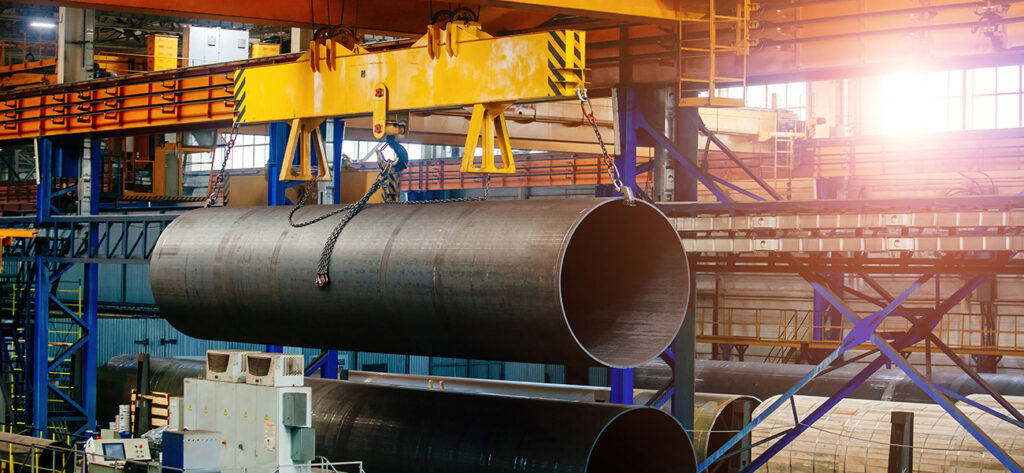
A crane system should be designed around the space available, the structure of the building and the way people and materials move through the site. This is especially important in busy industrial environments where downtime, disruption and restricted access can affect productivity.
Key site factors to consider include:
- Building height and available headroom
- Floor space and access routes
- Existing steelwork or structural limitations
- Workstation positioning
- Indoor or outdoor use
- Load travel distance
- Access for installation and future servicing
- Areas where people, vehicles and equipment operate together
For example, an overhead crane may be suitable where loads need to move across a wide area and the building structure can support the system. A gantry crane may be a better choice where a self-supporting solution is required. A jib crane may be ideal for repetitive lifting in a smaller, localised area.
This is why a site-specific approach is so important. The crane system should support the way the facility works, rather than forcing the facility to work around the crane.
Understand the main industrial crane system options
There are several types of industrial crane systems, each suited to different applications.
Overhead Cranes
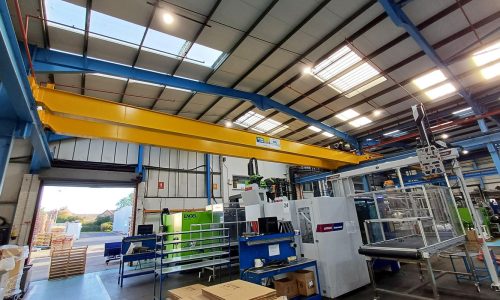
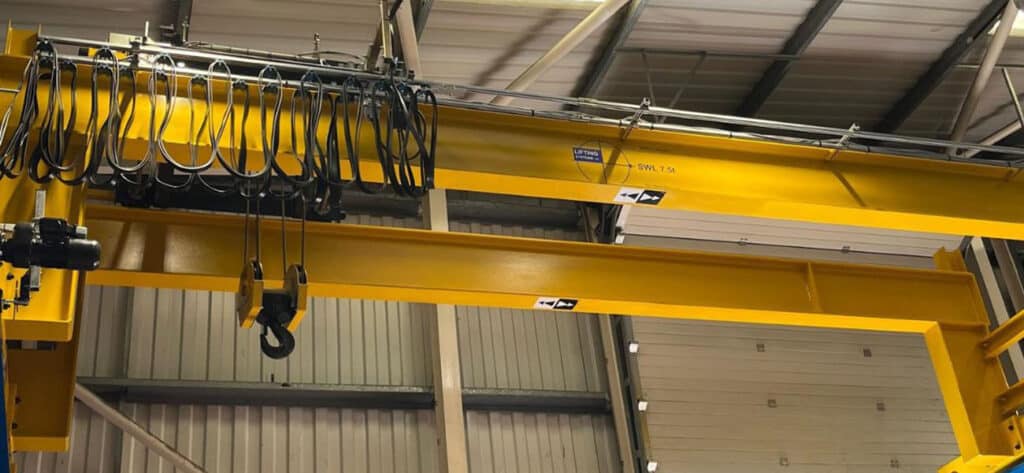
Overhead cranes are commonly used in manufacturing, engineering, warehousing and production environments where heavy loads need to be moved safely and efficiently across a defined area.
They are often used for larger lifting requirements and can be designed to suit different spans, load capacities and building layouts. Overhead crane systems are especially useful where floor space needs to remain clear for production, storage or vehicle movement.
Gantry Cranes
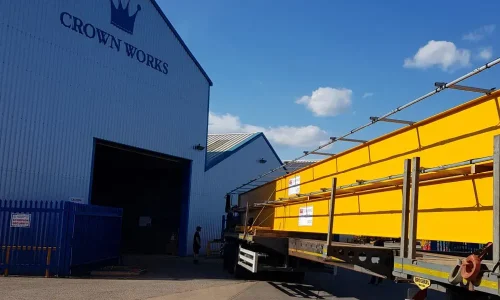
Gantry cranes are self-supporting crane systems that can be used indoors or outdoors, depending on the application. They are often chosen where the existing building structure cannot support an overhead crane or where a more flexible lifting solution is required.
Gantry crane systems can be fixed or mobile and can be designed around specific load, span, height and site requirements. They are commonly used in workshops, production areas, yards and industrial facilities.

Jib Cranes
Jib cranes are well suited to localised lifting tasks. They are often used at workstations, loading areas, machinery points or production cells where operators need lifting support within a smaller radius.
A jib crane can help reduce manual handling and improve efficiency for repetitive lifting tasks, particularly where loads need to be lifted, rotated or positioned in a specific area.

Light crane systems
Light crane systems are often used for smaller loads, repetitive tasks and workstation lifting. They can support smoother manual handling processes and are useful in environments where operators need frequent lifting assistance without a larger crane system.
Bespoke lifting solutions
In some cases, a standard crane system may not meet the requirements of the site. A bespoke lifting solution may be needed where there are unusual loads, restricted spaces, complex workflows or specific operational challenges.
Bespoke crane and lifting solutions allow the system to be designed around the facility, rather than relying on an off-the-shelf approach.
Think about load capacity, span and duty cycle
Once the type of crane system has been considered, the technical requirements need to be defined.
The crane system must be designed to suit the safe working load, the span required and the frequency of use. It is not only about the maximum weight being lifted. The size, shape, movement and repetition of the load also matter.
Important considerations include:
- Safe working load
- Span and lifting coverage
- Height of lift
- Travel distance
- Frequency of use
- Operating speed
- Load control requirements
- Duty cycle
- Future increases in production or load size
A crane system that is under-specified may create safety, reliability and productivity issues. A system that is over-specified may be unnecessarily costly or impractical for the application. The goal is to design a solution that is fit for purpose, reliable and suitable for the way the facility operates.
Factor in installation, access and disruption
Installation is another important part of choosing the right industrial crane system.
For many businesses, the challenge is not only selecting the right crane, but also installing it with minimal disruption to production. This is especially important for manufacturing facilities, workshops and industrial sites that cannot afford extended downtime.
Before installation, it is important to consider:
- Site access for equipment and installation teams
- Working hours and production schedules
- Existing machinery and obstructions
- Building structure and floor conditions
- Health and safety requirements
- Electrical requirements
- Future access for servicing and maintenance
A good crane system should be planned with the full project in mind, from design and manufacturing through to installation, commissioning and ongoing support.
Why a site-specific approach matters
No two facilities operate in exactly the same way. Even businesses in the same sector may have different load requirements, building layouts, production pressures and safety considerations.
That is why choosing the right industrial crane system should involve more than selecting a product from a list. It should involve a proper assessment of the site, the lifting task and the operational environment.
Lifting Systems provides crane and lifting solutions designed around the needs of each facility. With in-house manufacturing capabilities, site surveys, installation support and ongoing servicing and maintenance, we help businesses choose systems that are practical, reliable and built for their working environment.
Whether you need an overhead crane, gantry crane, jib crane or bespoke lifting solution, the right starting point is a conversation about how your site works and what your team needs to lift.
Speak to Lifting Systems about the right crane system for your facility
If you are unsure which crane system is right for your site, Lifting Systems can help assess your requirements and recommend a solution that supports safer, more efficient material handling.
Book a site visit or speak to our team about the right industrial crane system for your facility.
FAQs
What is an industrial crane system?
An industrial crane system is a lifting solution used to move heavy, large or awkward loads in manufacturing facilities, workshops, warehouses, production areas and other industrial environments. Common types include overhead cranes, gantry cranes, jib cranes and light crane systems.
How do I choose the right crane system for my facility?
To choose the right crane system, consider what needs to be lifted, the weight and size of the load, how often lifting takes place, how far the load needs to move and what restrictions exist within the site. A site assessment can help determine whether an overhead crane, gantry crane, jib crane or bespoke lifting solution is the best fit.
What is the difference between an overhead crane and a gantry crane?
An overhead crane is usually supported by a building structure or dedicated runway system and is used to move loads across a defined area. A gantry crane is self-supporting and can be fixed or mobile, making it suitable for sites where an overhead structure may not be practical.
When should I use a jib crane?
A jib crane is often used for localised lifting tasks, such as lifting at a workstation, machinery point, loading area or production cell. It is useful where operators need to lift, rotate or position loads within a smaller working radius.
Can a crane system be designed for a restricted space?
Yes. Crane systems can often be designed around restricted access, low headroom, limited floor space or complex site layouts. In these cases, a bespoke lifting solution may be the most suitable option.
How often should industrial crane systems be serviced?
Servicing requirements depend on the type of crane, frequency of use, operating environment and compliance requirements. Planned maintenance and inspections help ensure lifting equipment remains safe, reliable and suitable for continued use.