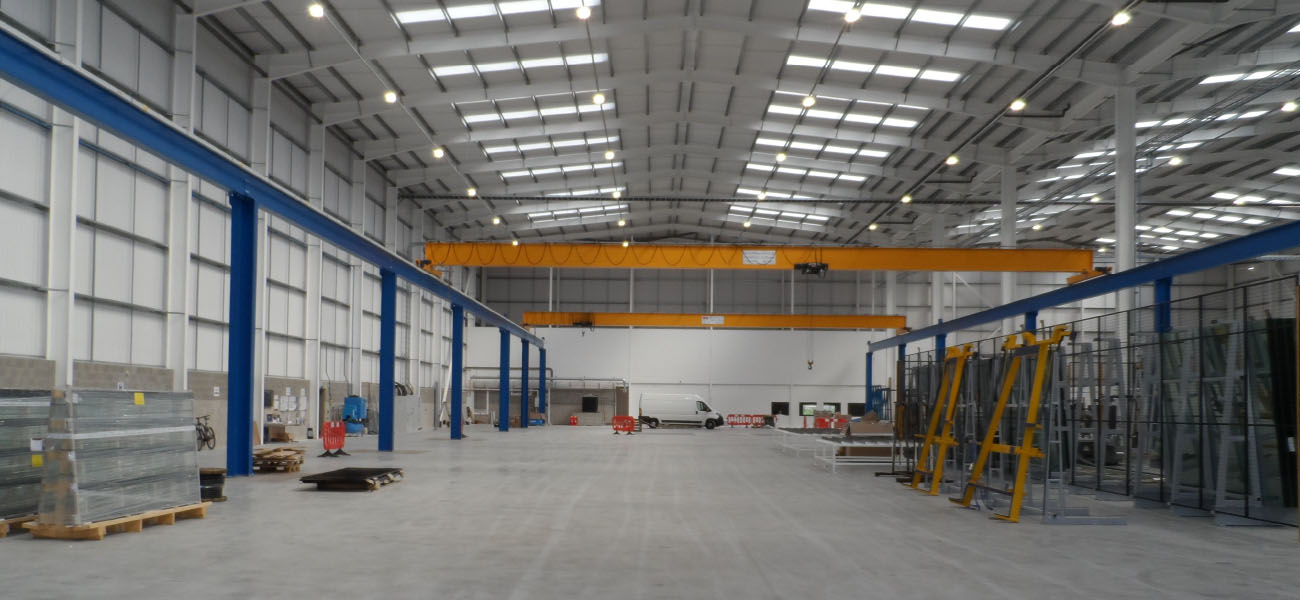
Gantry cranes are used across a wide range of industrial environments to support safer, more efficient material handling. From manufacturing facilities and workshops to production areas, warehouses and outdoor yards, a well-designed gantry crane system can help teams lift, move and position heavy or awkward loads with greater control.
However, a gantry crane should never be treated as a one-size-fits-all solution. Every site has different lifting requirements, layouts, access points, load types and working conditions. That is why gantry crane systems need to be designed around the facility, the load and the way the team works.
As one of the UK’s largest overhead crane and gantry manufacturers, Lifting Systems designs, manufactures and installs gantry crane systems that are built around site-specific requirements. When planning a fabricated gantry crane system, there are several important factors to consider before design and manufacturing begin.
Why gantry cranes are used in industrial environments
Gantry cranes are often used where businesses need reliable lifting support in a defined working area. They can be suitable for manufacturing facilities, engineering workshops, loading areas, maintenance zones, production environments and outdoor operations.
A gantry crane may be used where the building structure cannot support an overhead crane, where lifting is required in a specific area, or where the operational layout requires a self-supporting lifting system.
Common uses for gantry cranes include:
- Lifting heavy components in workshops
- Supporting production and assembly processes
- Moving machinery or fabricated parts
- Assisting with maintenance tasks
- Handling materials in indoor or outdoor working areas
- Providing lifting support where overhead crane installation is not practical
The key benefit of a gantry crane is that it can be designed around a specific working area and lifting requirement. This makes it a practical solution for facilities that need dependable lifting support without relying on the building structure.
Fixed or mobile gantry requirements
One of the first considerations when planning a gantry crane system is whether the application requires a fixed or mobile configuration.
A fixed gantry crane is usually designed for lifting within a defined area. This may be suitable for production zones, loading areas, maintenance bays or parts of a workshop where lifting takes place regularly in the same location.
A mobile gantry crane may be more suitable where lifting support is needed across different areas of a facility. Mobility can be useful in workshops, maintenance environments or operations where loads need to be lifted in more than one location.
The right configuration depends on factors such as:
- Where lifting needs to take place
- How often the crane will be used
- Whether loads need to move between areas
- Floor conditions and travel routes
- Available working space
- Operator requirements
- Site access and layout restrictions
Because every gantry crane is designed around the application, the fixed or mobile requirement should be assessed as part of the wider site and lifting review.
Load capacity and safe working load
Load capacity is one of the most important factors in gantry crane design. The system must be designed to safely lift and move the required load while supporting the way the crane will be used in practice.
This includes more than simply identifying the maximum weight. The size, shape, balance and movement of the load also influence the design of the gantry crane system.
When reviewing load requirements, businesses should consider:
- Maximum load weight
- Typical load weight
- Load dimensions
- Load shape and balance
- Lifting frequency
- Duty cycle
- Required lifting height
- How the load will be attached, lifted and moved
The safe working load must be carefully defined so that the gantry crane system is suitable for the task, the working environment and the long-term demands of the facility.
Span, height and clearance
The span, height and clearance of a gantry crane system need to be planned around the site and the lifting task.
Span refers to the distance the crane needs to cover. Height and clearance relate to how much vertical space is required to lift and move the load safely. These measurements are especially important in factories, workshops and industrial environments where there may be restricted access, low ceilings, existing machinery, racking, doorways or other obstructions.
Important questions include:
- How wide does the gantry need to be?
- How high does the load need to be lifted?
- Is there enough headroom for the crane, hoist and load?
- Are there any obstructions in the working area?
- Will the crane need to pass through doors or between machinery?
- Is there enough space for operators to work safely around the system?
Accurate measurements are essential. A gantry crane that is too low, too narrow or difficult to access may affect productivity and safe operation. A site-specific design helps ensure the crane is built around the real conditions of the facility.
Indoor and outdoor working environments
The working environment has a direct impact on gantry crane design and fabrication.
Indoor gantry cranes may need to be designed around space restrictions, floor conditions, production layouts and access for operators. Outdoor gantry cranes may need to account for weather exposure, surface conditions, corrosion protection and the demands of the operating environment.
Environmental factors to consider include:
- Indoor or outdoor use
- Floor or ground conditions
- Surface level and stability
- Exposure to weather
- Corrosion considerations
- Temperature and operating conditions
- Dust, moisture or other environmental factors
- Access for installation and maintenance
These factors can influence the materials, finish, configuration and long-term maintenance requirements of the gantry crane system.
Installation, access and operational disruption
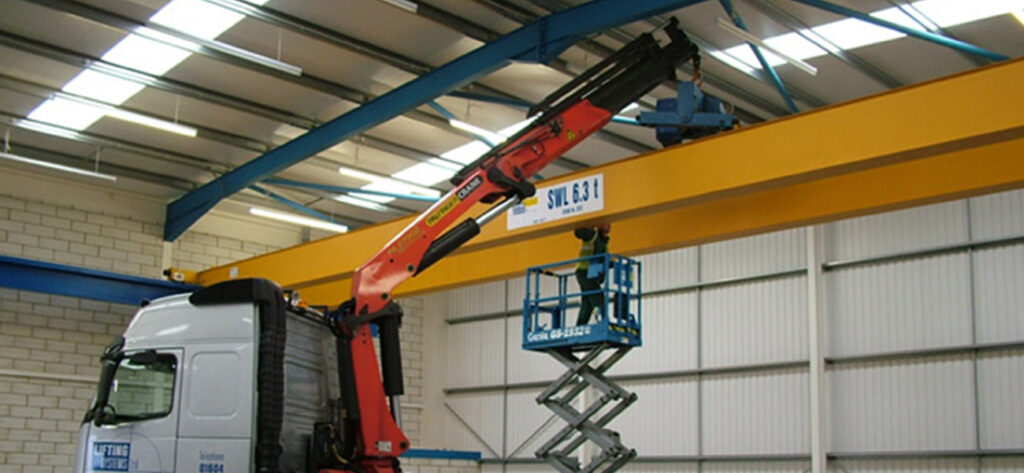
A gantry crane system should be planned with installation in mind from the start.
For busy manufacturing facilities and industrial sites, installation access and disruption are important considerations. The crane may need to be installed around existing machinery, production schedules, staff movement and site safety requirements.
Before fabrication and installation, it is important to consider:
- Access for delivery and installation
- Available working space
- Existing machinery or obstructions
- Production schedules
- Health and safety requirements
- Electrical requirements
- Commissioning and handover
- Future access for servicing and maintenance
Planning these details early helps ensure the project runs more smoothly and that the finished system is practical for long-term use.
Why fabrication quality matters
Fabrication quality is central to the performance, safety and reliability of a gantry crane system.
A fabricated gantry crane needs to be strong, stable and suitable for the working environment it will be used in. The quality of the design, materials, fabrication process and final installation all play a role in how effectively the crane performs over time.
Poorly planned or poorly fabricated systems can lead to operational issues, maintenance problems and unnecessary downtime. A properly designed and manufactured gantry crane system should be built around the safe working load, operating conditions and daily demands of the site.
Working with an experienced gantry crane manufacturer helps ensure the system is designed, fabricated and installed with the full lifting requirement in mind.

The value of working with a UK gantry crane manufacturer
Choosing a UK gantry crane manufacturer gives businesses access to support throughout the full project, from initial site review through to design, fabrication, installation and ongoing maintenance.
At Lifting Systems, gantry crane systems are designed around each customer’s site and lifting requirements. Our team can assess the working environment, understand the load requirements and manufacture a system that supports safer, more efficient material handling.
With in-house manufacturing capabilities, installation support and long-term servicing and maintenance, Lifting Systems provides practical lifting solutions for growing and expanding industrial facilities across the UK.
Speak to Lifting Systems about a fabricated gantry crane system
If you are planning a gantry crane system for your facility, Lifting Systems can help assess your site, load requirements and working environment.
Speak to our team about a fabricated gantry crane system designed around your site.
FAQs
What is a gantry crane system?
A gantry crane system is a self-supporting lifting solution used to lift and move loads within a defined working area. Gantry cranes are commonly used in manufacturing facilities, workshops, warehouses, production areas and outdoor industrial environments.
When is a gantry crane suitable?
A gantry crane may be suitable where lifting support is needed in a specific area, where the building structure cannot support an overhead crane, or where the site layout requires a self-supporting lifting system. The final design should be based on the load, layout and working environment.
What affects gantry crane design?
Gantry crane design is influenced by load capacity, safe working load, span, height, clearance, lifting frequency, site layout, floor conditions, indoor or outdoor use, access requirements and long-term maintenance needs.
What is the difference between a fixed and mobile gantry crane?
A fixed gantry crane is designed for lifting within a set working area. A mobile gantry crane can be moved between areas, depending on the site and application. The right configuration depends on workflow, lifting frequency, floor conditions and operational requirements.
Why is gantry crane fabrication quality important?
Fabrication quality affects the safety, strength, stability and long-term reliability of the gantry crane system. A properly designed and fabricated gantry crane should be built around the safe working load, site conditions and how the crane will be used.
Can a gantry crane be used outdoors?
Yes, gantry cranes can be designed for outdoor use. Outdoor environments may require additional considerations, including weather exposure, surface conditions, corrosion protection and maintenance access.