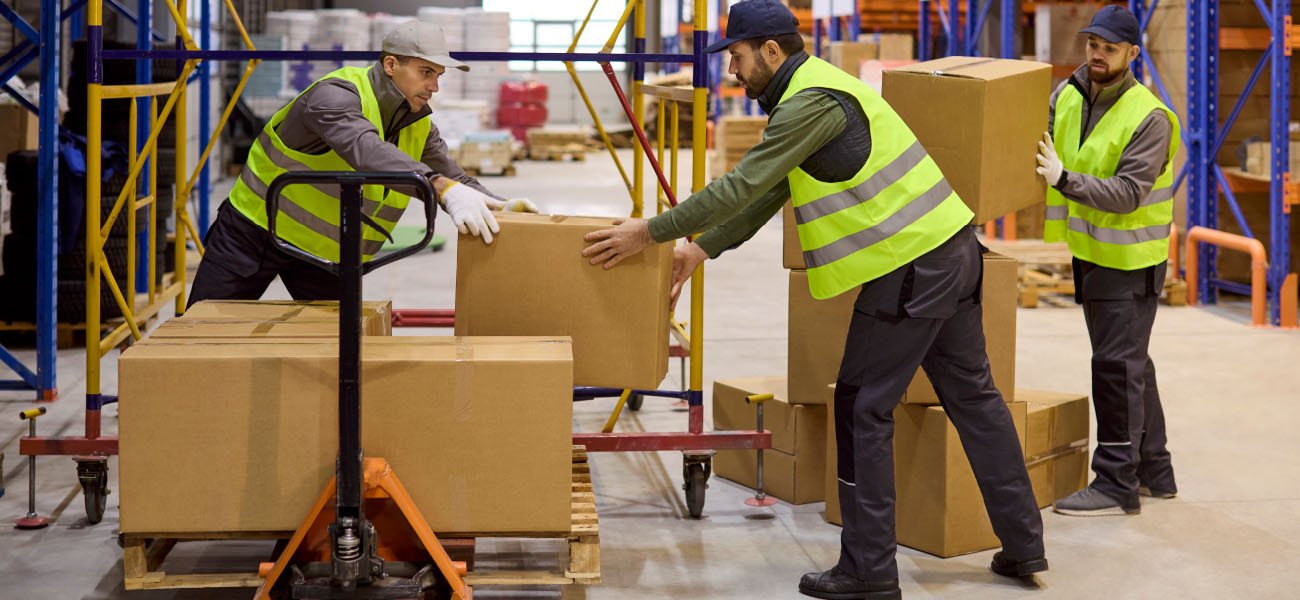
Manual handling is part of everyday activity in many manufacturing, engineering and production environments. Components need to be lifted onto workstations, parts positioned within machinery, tooling moved between processes and finished products transferred to the next stage of production.
When these movements are carried out repeatedly by hand, even relatively light loads can place unnecessary physical demands on operators and make processes less efficient.
The Health and Safety Executive (HSE) defines manual handling as transporting or supporting a load by hand or bodily force, including lifting, putting down, pushing, pulling, carrying or moving it. Where hazardous manual handling cannot be avoided, employers should assess the risk and take appropriate steps to reduce it.
For facilities handling lighter loads frequently within defined work areas, light crane systems can provide mechanical lifting assistance directly where these tasks take place.
Looking Beyond the Weight of the Load
Manual handling risk is not determined by weight alone.
The frequency of a task, how far a load needs to be moved, the position of the operator, the height at which materials are handled and whether twisting, reaching or awkward positioning is required can all affect the demands placed on the person performing the task.
This is particularly relevant in manufacturing environments where the same movement may be repeated throughout a shift.
A component that appears manageable as a single lift may become a more significant manual-handling consideration when it needs to be picked up, repositioned and transferred repeatedly as part of a production process.
Rather than looking only at the maximum weight being handled, businesses should therefore consider how lifting is incorporated into the overall workstation and workflow.
Reducing Repetitive Lifting at Workstations
Workstations are one area where light crane systems can be particularly effective.
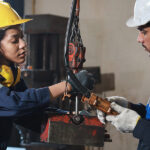
An operator might repeatedly move components from a pallet to an assembly bench, lift tooling into position or transfer parts between different stages of a production cell.
Providing dedicated lifting support over the working area can reduce the need for the operator to repeatedly support the full weight of the load manually.
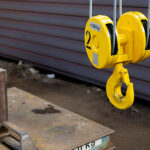
Instead, the crane system takes the load while the operator controls its movement and positioning.
This can make light crane systems particularly suitable for assembly lines, machine loading areas and individual production workstations. Our guide to where light crane systems work best explores these applications in more detail.
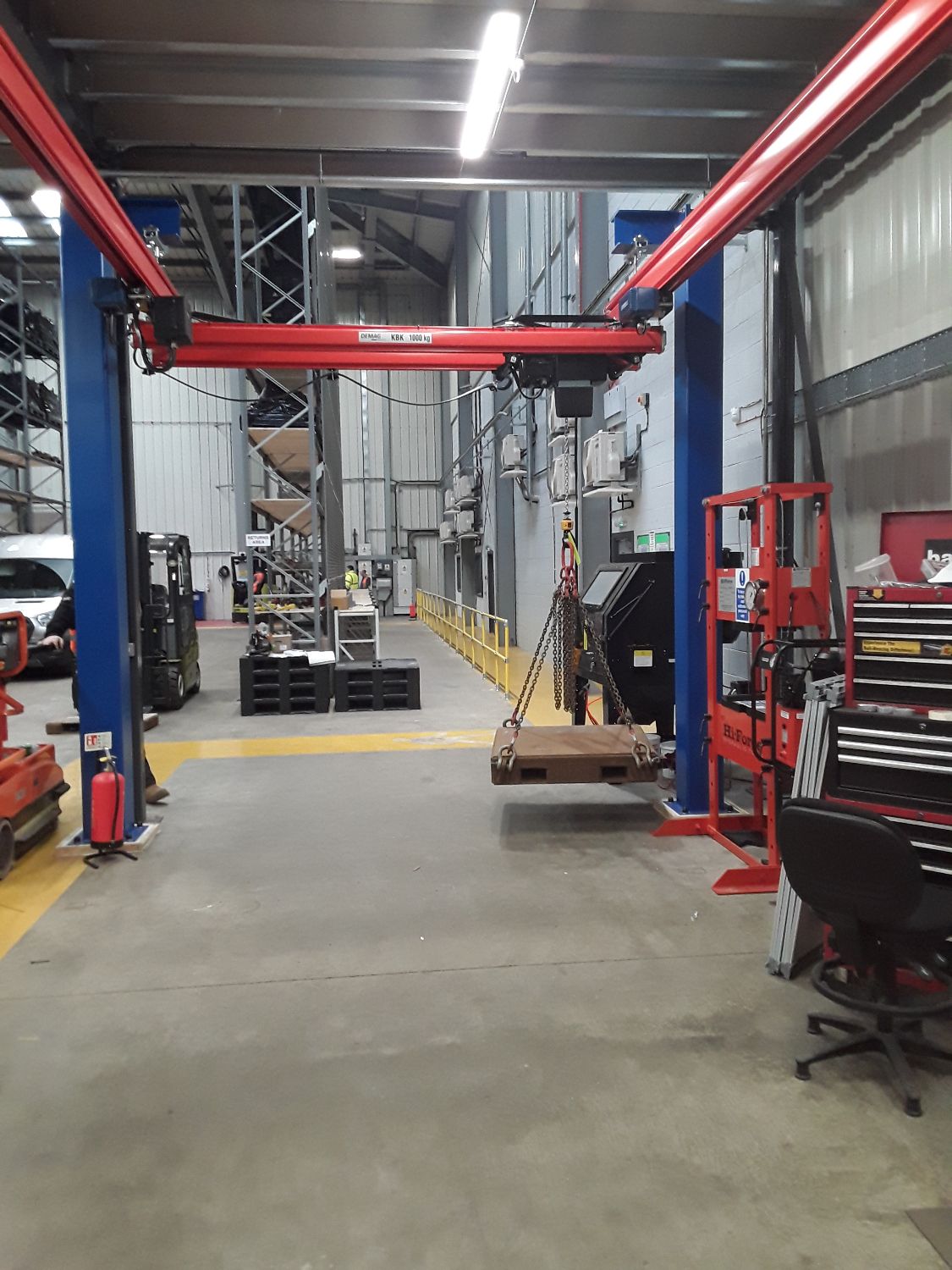
Supporting Better Load Positioning
Ergonomic manual handling is not only about lifting weight. Operators may also need to raise, lower, transfer or accurately position components during production.
Without suitable lifting support, these movements can involve bending, reaching or awkward positioning while controlling the load. A correctly specified light crane system can support the load during movement, allowing the operator to guide it into position with greater control and less reliance on physical effort.
This is particularly useful where components need to move frequently between neighbouring workstations, machines or stages of production.
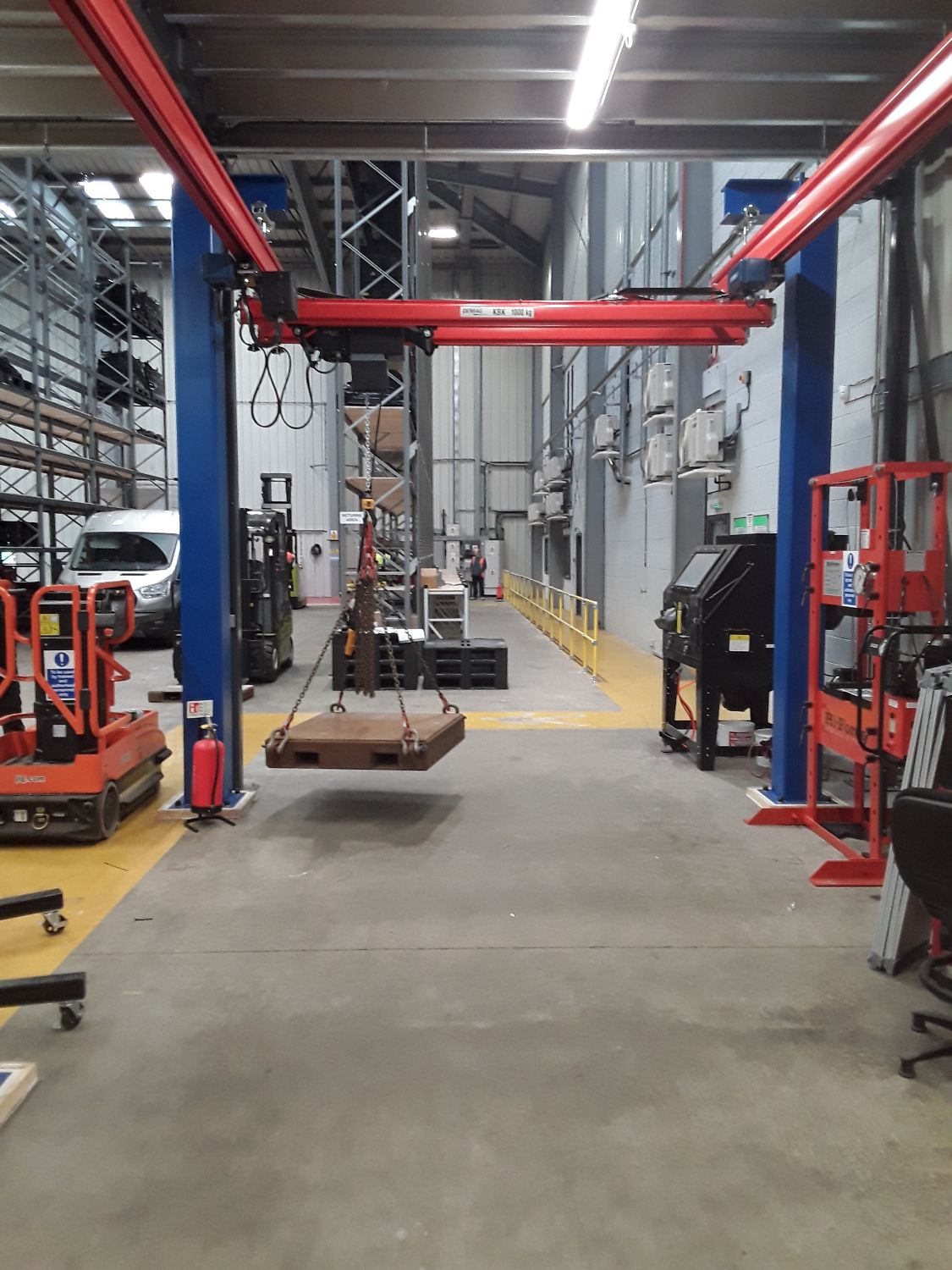
Designing Lifting Equipment Around the Operator
Effective material handling should consider both the load and the person interacting with it.
If operators regularly need to stretch, bend, twist or carry components between working areas, it may indicate that the lifting setup no longer matches the production process.
Introducing mechanical lifting assistance can form part of a wider review of how a workstation is designed.
Factors to consider include:
- where materials arrive at the workstation
- where they need to be positioned
- how frequently they are moved
- the weight and dimensions of the load
- the required lifting height
- the area the crane needs to cover
- how the operator needs to interact with the suspended load
Assessing these factors helps ensure that the crane system is designed around the actual task rather than simply specifying equipment according to load capacity.
Manual Handling Risk Still Needs to Be Assessed
Installing lifting equipment does not remove the need for proper risk assessment, safe systems of work, suitable equipment selection and operator training.
The HSE advises employers to avoid hazardous manual handling where reasonably practicable and, where it cannot be avoided, to assess and reduce the risk.
Businesses reviewing repetitive lifting or material-handling tasks can refer to the HSE guidance on manual handling at work as part of their wider health and safety considerations.
Mechanical lifting assistance should therefore form part of a considered approach to safer material handling rather than being treated as a standalone measure.
Creating a More Ergonomic Material-Handling Process
Where lighter loads are lifted, moved or positioned repeatedly, the right lifting equipment can help reduce unnecessary manual handling and support a more practical workstation setup.
The most effective system should be designed around the load, working area and way materials move through the production process.
Lifting Systems’ Light Crane Systems are available for loads from approximately 50 kg to 2,000 kg and can be configured around individual workstations, production areas and manufacturing requirements.
Speak to the Lifting Systems team to discuss whether a light crane system is suitable for your application.
Frequently Asked Questions
How can light crane systems reduce manual handling?
Light crane systems support the weight of a load while it is lifted, moved and positioned within the working area. This can reduce the amount of lifting, carrying, pushing or repositioning that operators need to perform manually, particularly during frequent or repetitive material-handling tasks.
Are light crane systems suitable for repetitive lifting?
Yes. Light crane systems can be particularly suitable for repetitive lifting applications where lighter loads need to be moved frequently within a defined area, such as assembly stations, production cells, machine loading areas and manufacturing workstations.
What is ergonomic material handling?
Ergonomic material handling involves designing lifting and movement tasks around both the load and the person performing the work. This can include reducing unnecessary lifting, awkward postures, reaching and repetitive physical effort by improving workstation layout or introducing suitable mechanical lifting assistance.
What manual-handling tasks can a light crane system support?
Depending on the application, light crane systems can assist with lifting components onto workstations, loading and unloading machinery, positioning parts during assembly, transferring materials between production stages and moving tooling or finished components within a defined working area.
Do light crane systems remove the need for a manual-handling risk assessment?
No. Lifting equipment should form part of a wider approach to workplace safety. Employers still need to assess manual-handling risks, select suitable equipment, establish safe working practices and provide appropriate information and training.
What capacity can a light crane system handle?
Lifting Systems offers light crane systems for loads ranging from approximately 50 kg to 2,000 kg. The correct capacity and system configuration will depend on the load, frequency of use, required working area, available space and specific production process.