UK vs US Overhead Crane Terminology: Gantry, Bridge, Crab & More
UK and US crane industries use the same equipment but not always the same words. In the UK: overhead crane, crab, end carriages, Goliath. In the US: bridge crane, trolley, end trucks – and gantry crane means something slightly different. This guide explains the key terminology differences so you can specify, procure and communicate clearly […]
Mobile vs Fixed Gantry Cranes: Which Is Right for Your Facility?
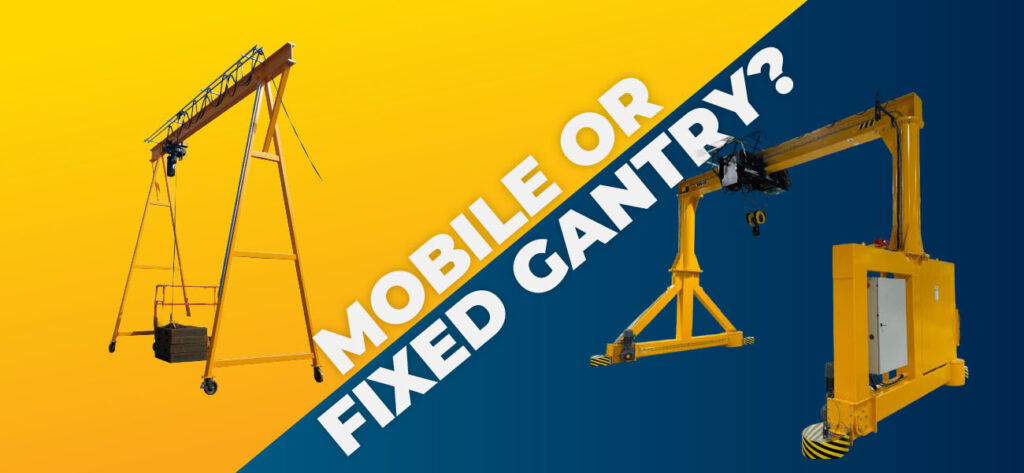
A mobile gantry crane and a fixed gantry system can both provide reliable lifting support, but they suit very different working environments. A mobile gantry provides a flexible lifting point that can be repositioned where required. A fixed gantry forms part of the permanent lifting infrastructure, providing consistent coverage within a defined area. The right […]
A-Frame Gantry Cranes: What They Are, How They Work and When to Use One
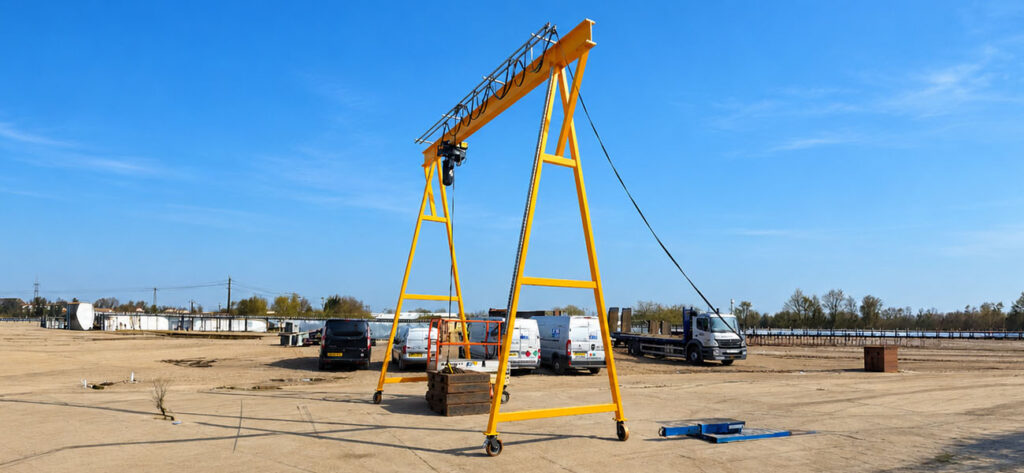
When lifting is required but a permanent overhead crane system is not practical, an A-frame gantry crane can provide a flexible alternative. These freestanding lifting systems are commonly used in workshops, maintenance areas, manufacturing facilities and other industrial environments where lifting is needed in a defined area without installing permanent runway steelwork. So what exactly […]
An Inside Look into the Overhead Crane Installation Process

Overhead crane installation covers more than putting steel in the air. It starts with a detailed site assessment, moves through assembly and load testing, and finishes with LOLER certification before the crane enters service. Lifting Systems has been delivering crane installations across the UK since 1994 – managing the full process from initial site assessment […]
Top 10 Maintenance Tips for Extending Your Crane’s Lifespan

Crane lifespan comes down to three things: trained operators, consistent inspections, and a preventive maintenance schedule. UK law requires regular thorough examination under LOLER – typically every 6 or 12 months depending on use. Beyond compliance, the biggest gains come from daily pre-use checks, proper wire rope care, and staying ahead of electrical faults before […]
What Causes Premature Hoist Wear and How Can You Reduce It?

Industrial hoists are designed to handle demanding lifting applications, but how the equipment is specified, operated and maintained can significantly influence how quickly components wear. Premature hoist wear is not always caused by the age of the equipment. Overloading, excessive operating frequency, unsuitable duty classification, environmental conditions and poor maintenance can all shorten component life. […]
How to Calculate the Right Hoist Capacity and Duty Cycle for Your Operation
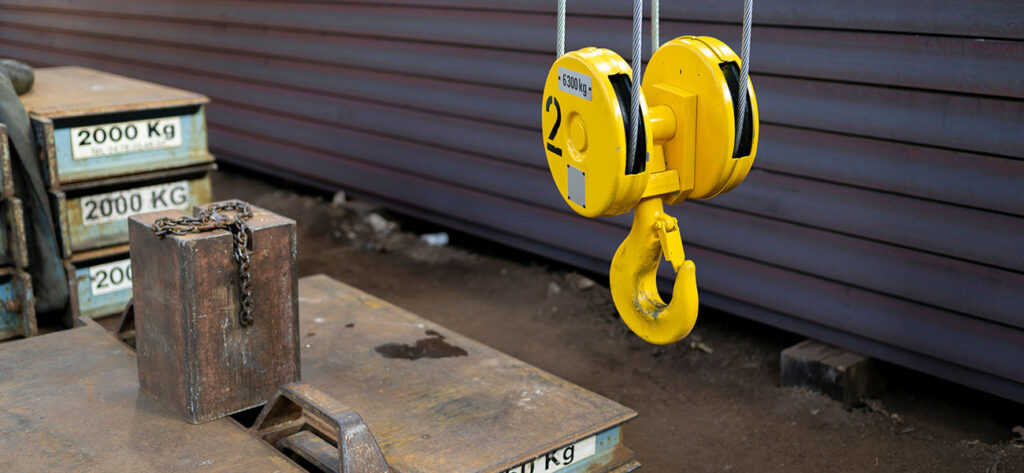
Choosing an industrial hoist involves more than identifying the heaviest load you need to lift. Two hoists may have the same stated lifting capacity but be designed for very different working conditions. How often the hoist operates, how far it lifts, the loads it typically handles and the demands placed on it throughout the working […]
How Light Crane Systems Improve Ergonomic Manual Handling in the Workplace

Manual handling is part of everyday activity in many manufacturing, engineering and production environments. Components need to be lifted onto workstations, parts positioned within machinery, tooling moved between processes and finished products transferred to the next stage of production. When these movements are carried out repeatedly by hand, even relatively light loads can place unnecessary […]
Where Do Light Crane Systems Work Best? Applications Across Manufacturing and Production
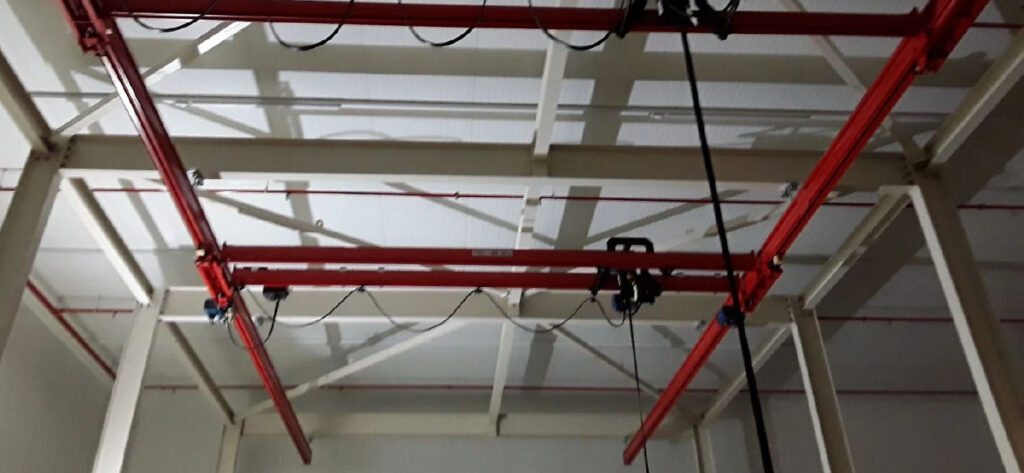
Efficient material handling plays an important role in keeping manufacturing and production environments moving. While larger overhead cranes are ideal for heavier loads and broader lifting requirements, not every task requires a large-scale crane system. For lighter loads, repetitive lifting tasks and workstation-level material handling, light crane systems can provide a practical and flexible alternative. […]
The Versatility of Jib Cranes in Limited Spaces
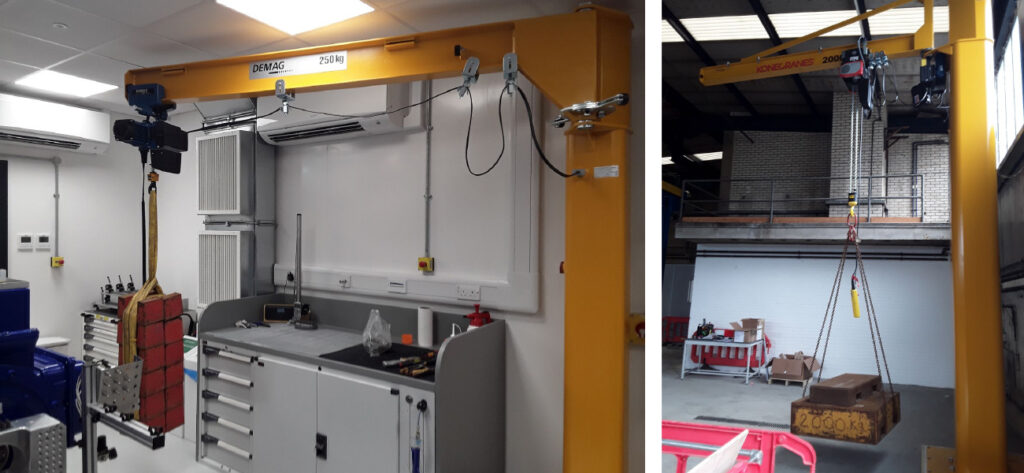
Jib cranes handle light-to-medium loads (50kg–10,000kg+) in spaces too tight for a full overhead crane. Available wall-mounted (up to 180° rotation) or floor-mounted on a pillar (up to 300°), they’re common across manufacturing, warehousing and construction. Lifting Systems designs, installs and maintains jib cranes UK-wide, with a free site survey to match the right configuration […]